
By James Anderson March 24, 2026
Payment processing for luxury retail is a complex issue, especially for jewelry businesses, which handle much larger amounts than the average retail transaction. Not only will these higher amounts attract genuine customers, but they will also attract scoundrels looking to take advantage of the situation. Jewelry payment fraud is becoming more sophisticated for both online and offline transactions.
Unlike other transactions that may involve smaller amounts, a single case of jewelry payment fraud can result in substantial losses. Furthermore, it can greatly affect the jeweler’s income. As payment processing technology evolves, so does fraud. There is a constant need for vigilance to protect the business from being damaged.
Table of Contents
Understanding Jewelry Payment Fraud
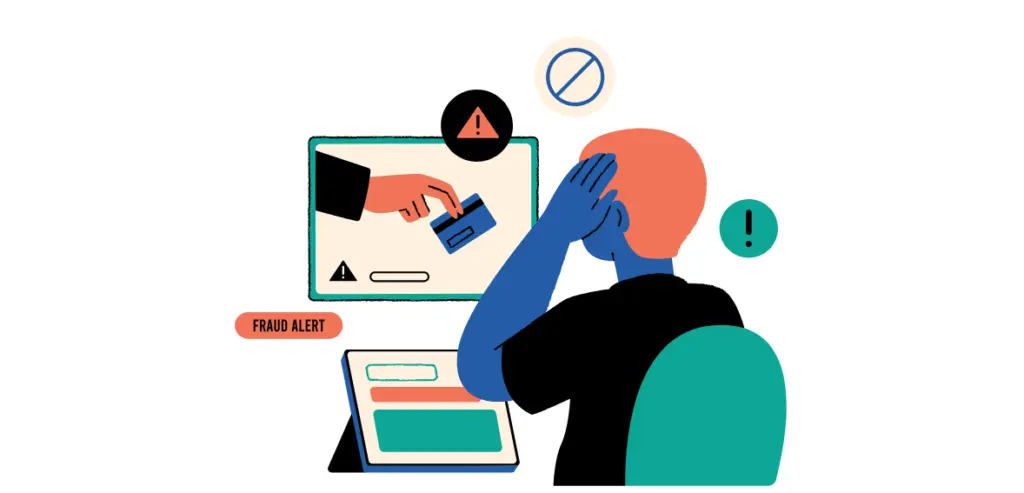
Jewelry payment fraud is a type of fraud where unauthorized transactions occur. In this type of fraud, stolen payment information is used to purchase expensive items. Fraudsters usually target jewelers because of the resale value of their products. The above-mentioned fraudulent activities may occur through online and brick-and-mortar channels.
Therefore, these fraudulent activities are hard to detect without proper security measures. The impact of payment fraud is not limited to financial loss. It may result in costly chargebacks, increased processing fees, and strained relationships with payment providers.
The first step in combating payment fraud is understanding how it occurs. By understanding how payment fraud occurs, jewelers can take steps to prevent it.
The Impact of High-Ticket Chargebacks
High-ticket chargebacks can be a major problem for a jewelry business due to the high value of its transactions. If a customer files a chargeback, the business will not only lose the money but also the merchandise.
There may also be additional costs associated with a chargeback, which can add up quickly. If there are too many chargebacks, it can result in increased processing fees or even account suspension by the payment processor.
For a luxury retail payment processing business, maintaining a low chargeback rate is vital to running smoothly. Chargebacks can also affect a business’s reputation. A jewelry business has to take proactive measures in order to avoid chargebacks.
Importance of Jewelry POS Security
Jewelry POS security is a critical component that helps prevent fraud and chargebacks. A secure point of sale helps to protect jewelry businesses from unauthorized access to payment information. Modern point-of-sale systems have been designed to provide security through encryption, tokenization, and authentication. This helps protect jewelry businesses from security breaches that may occur when using outdated point-of-sale technology.
A well-designed point-of-sale system helps detect suspicious activity. This enables the business to take prompt action to address the issue. This will also provide security to the business. Investing in jewelry POS security is a step that helps to build trust with customers. A secure environment helps to build trust with customers. This is because customers will be confident that their transaction is secure.
Role of Jeweler Merchant Services
The services offered by the jeweler merchant services aim to meet the specific needs of high-end retail payment processing. They ensure businesses receive tailored services to support the payment process. Unlike other payment services, merchant services include fraud detection, chargeback, and risk assessment services.
These services are crucial to ensuring payment fraud is handled effectively. In addition to these services, they include information on transaction patterns. This helps the jewelers to get information on potential risks.
Selecting the best merchant service is crucial to helping the jeweler meet the challenges of high-ticket payment fraud. By using merchant services, businesses can reduce fraud risk and maintain a strong relationship with payment networks and financial institutions.
Implementing Multi-Layer Fraud Prevention
For an effective fraud-prevention system in jewelry businesses, it is important to ensure security is implemented across multiple layers. Relying on a single system to prevent fraud is not enough in today’s world, as fraudsters use increasingly sophisticated methods to commit fraud.
Some of the security systems that can be used in conjunction with each other are address verification systems, card verification values, and real-time fraud detection systems. These systems can provide an effective defense against fraud by working together to detect suspicious transactions before they are executed. In addition to these systems, it is important to train employees to detect suspicious customer behavior.
Importance of Customer Verification
Customer verification is a critical process that helps prevent jewelry payment fraud. It involves verifying buyers’ identities to ensure they are genuine customers.
In cases where the value of the jewelry is high, verification may be conducted by requesting identification or by making verification calls. This process may be used for online transactions as well.
Although this process involves some inconvenience for customers, it plays a critical role in preventing jewelry payment fraud. Customers who buy jewelry are usually comfortable with the process, as they are purchasing luxury items. By verifying customers, jewelers can protect their transactions, thereby preventing issues that may arise from jewelry payment fraud.
Monitoring Transaction Patterns
Monitoring transaction patterns is important for identifying potential fraud during payment processing in the luxury retail industry. By analyzing data, jewelers can easily detect any unusual transactions that may indicate fraud.
For example, if there are several high-value purchases within a short period, it may indicate fraud. Advanced analytical tools can be used to automate this process, enabling businesses to take prompt action against potential fraud. Monitoring transaction patterns can help businesses understand customer behavior, enabling them to take the necessary steps to address fraud.
Securing Online Jewelry Transactions
The process of online jewelry sales faces various challenges, especially when there is no physical verification. This environment is mostly abused by fraudsters who use other people’s credentials to make unauthorized transactions. In order to minimize such risks, jewelers need to use secure payment systems.
Some of the features of such payment systems are the use of 3D Secure, which helps to verify the identity of the cardholder. Another essential factor that helps to minimize risks during online jewelry sales is the use of shipping, return, and refund policies. This helps to minimize any chances of fraud. Additionally, it helps to provide a smooth experience for customers who are making legitimate transactions.
Training Staff to Detect Fraud
Employees also play a crucial role in preventing jewelry payment fraud. Employees can be very helpful in reducing the risk of fraud in physical stores. For example, if a customer is in a hurry to make a payment or is evasive about producing identification, these may be indicative of fraud. Employees should be able to handle such situations professionally.
Training programs help ensure that the employees are aware of the latest fraud techniques and how to prevent them. Empowered employees serve as an added layer of security to prevent fraud. By investing in employee training, jewelers can reduce fraud risk and protect their businesses and consumers.
Managing Chargeback Disputes Effectively
When dealing with high-ticket chargebacks, a structured, proactive strategy is needed. In the event of a dispute, detailed documentation is required to resolve the case in favor of the jeweler. This may involve transaction records, customer verification, and delivery confirmation.
Keeping records helps to have the information readily available in case of a dispute.
It is also important to respond promptly to chargeback notices to increase the chances of resolving the case in favor of the jeweler. By having the right dispute resolution strategy in place, jewelers can avoid losing money while maintaining a good relationship with payment providers. By handling chargebacks properly, jewelers demonstrate professionalism in their customer service.
Leveraging Technology for Fraud Detection

Technology is important for detecting and preventing jewelry payment fraud. Advanced technologies, such as artificial intelligence and machine learning, can analyze data in real time, helping detect patterns related to fraud. Moreover, these technologies can learn from new data, making them even better at detecting fraud.
Integrating fraud detection software with payments enables seamless monitoring without affecting the customer experience. Using technology, jewelers can increase their chances of detecting suspicious activity and take preventive measures to avoid fraud and chargebacks.
Importance of PCI Compliance
Compliance with PCI DSS standards is vital in ensuring the safe processing of luxury retail payments. The PCI DSS standards offer guidelines on the safe handling of payments to minimize any chances of breaches and fraud. Compliance with PCI DSS standards involves ensuring the safe handling of payments by implementing measures like encryption, access control, and monitoring the systems.
The measures are essential for protecting customers’ information and ensuring safe handling. Non-compliance with PCI DSS standards may attract penalties, higher charges, and damage to the business. By ensuring PCI DSS compliance, jewelers show commitment to safe handling, thus instilling confidence in their customers. The measures are important not only for ensuring safe handling but also for enhancing the business’s credibility.
Balancing Security and Customer Experience
However, security is essential in payment processing in the retail sector. At the same time, a smooth customer experience must also be maintained. Excessive verification processes may deter potential customers. The problem is to ensure that security is well implemented in payment processing without compromising the customer experience.
Advanced technologies such as biometric verification and smooth verification processes, can help in this regard. Communication about the security process also helps in ensuring that the customer appreciates the process. In this way, the interests of jewelers can be well protected in the retail sector by maintaining a balance between security and customer experience.
Building Customer Trust Through Transparency
Transparency is another important element that helps build trust between the customers and the jewelers, thereby reducing conflicts in jewelry business transactions. Transparency helps customers understand the prices of the jewelry and the payment terms involved in the transaction.
Receipts for the transactions will also be provided to the customers to ensure that they understand the transaction that has occurred. This will help avoid confusion that may arise in the future. Transparency is also related to security measures that are put in place to protect the customers’ information.
Communication is another element that helps build trust between the customers and the jewelers. This helps to create a sense of trust between the customers and the jewelers. Trust is an important element in the luxury business because the transactions involved are of high value.
Future Trends in Jewelry Payment Security
The future of jewelry payment security will be influenced by emerging technologies as well as changing consumer needs. Emerging technologies such as biometric identification, blockchain transactions, and fraud detection technologies are revolutionizing payment security.
The technologies have been shown to provide improved security against fraud, as well as efficiency. As digital payments continue to gain popularity, businesses will need to be aware of emerging trends to implement modern technologies that are efficient as well as secure.
By embracing change, businesses will be able to stay competitive as well as resilient to challenges that come with emerging trends. Advanced payment technologies will be instrumental to the success of businesses, especially when handling high-ticket transactions.
Conclusion
Protecting high-ticket sales from fraud and chargebacks is vital in maintaining profitability in the jewelry business. With the rise of new threats in luxury retail payment processing, jewelers must take a comprehensive approach to protect their business from fraud and chargebacks.
Starting from jewelry POS security, using jeweler merchant services, and monitoring transactions, among many others, will help jewelers create a secure payment environment. Achieving a balance between security and customer experience is vital in ensuring that jewelers remain a secure and attractive business environment for customers. By being proactive in addressing new threats, jewelers can create a secure business environment and remain successful in the industry.
FAQs
Why is payment fraud for jewelry so common?
Fraudsters are drawn to high-value items because of their potential for resale and significant transaction gains.
Why do high-ticket chargebacks occur?
Chargebacks are frequently caused by fraud, disagreements, delivery problems, and inadequate verification or paperwork.
What are the benefits of jewelry merchant services?
They offer chargeback management, fraud detection, and monitoring specifically designed for processing payments at luxury retail establishments.
What function does jewelry point-of-sale security serve?
Tokenization, authentication, and encryption are used to safeguard transactions against fraud and illegal access.
How can jewelers lower chargebacks and fraud?
Through client verification, transaction monitoring, PCI compliance, employee training, and the use of cutting-edge technologies to protect payments and regularly maintain correct records.